





BIOPOLYMER Conference 2026  That's why bioplastics are slow to enter the market 

The interview was conducted by Melanie Ehrhardt | Translated by AI 4 min Reading Time

Related Vendor

Despite their environmental benefits, bioplastics are gaining market share only slowly. High costs and immature processes are hindering their widespread adoption. In an interview, however, Dr. Aliaksandra Shuliakevich of Plastics Europe Germany also calls on lawmakers to take action to change this. 

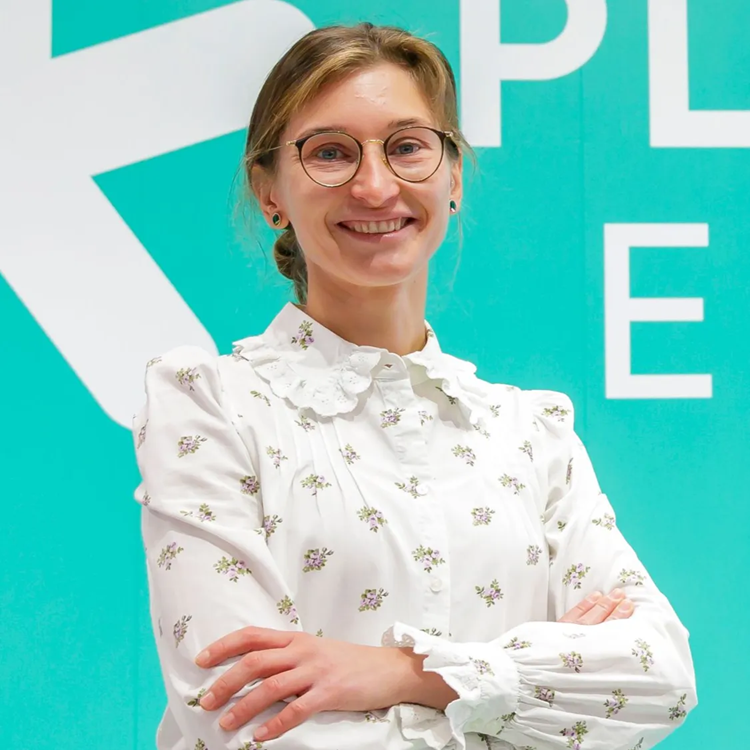
Dr. Aliaksandra Shuliakevich, Head of Climate Action and Circular Economy at Plastics Europe Germany (PED)(Bild:  PED)
Dr. Aliaksandra Shuliakevich, Head of Climate Action and Circular Economy at Plastics Europe Germany (PED)
(Bild: PED)

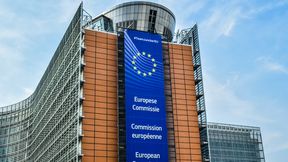
Through the EU Bioeconomy Strategy 2025, the European Commission is positioning bio-based plastics as a lever of industrial policy for competitiveness, resilience, and strategic autonomy. The goal is not merely a “greener” material base, but a systemic transformation: Europe aims to reduce its dependence on fossil raw materials and imports, strengthen value chains in the single market, and scale up innovations to industrial levels more quickly.

But where do bioplastics actually stand in the market today? Where are their potential benefits underestimated—but also overestimated? PlastXnow discussed this with Dr. Aliaksandra Shuliakevich, Head of Climate Protection and Circular Economy at Plastics Europe Germany, on the sidelines of the this year’s BIOPOLYMER Congress in Halle (Saale).

PlastXnow: In your presentation, you analyze the current market situation for biopolymers. In your view, what is the most important development shaping the industry right now?

Dr. Aliaksandra Shuliakevich: At the moment, we see in the production of bio-based plastics—both globally and in Europe. But we’re also seeing varying regional trends. China is currently dominant. The People’s Republic produces just under 45 percent of the world’s bioplastics. Europe ranks second with just under 15 percent, which is good. 

What does that mean in terms of numbers?

We're talking about a total of about 300 kilotons here. When we look at the total amount of plastics in Europe, that's obviously not much. It's still a niche market, accounting for about 2 percent. 

Where do biopolymers actually stand in the market today—and where might their potential be overestimated?

That's hard to say. Especially since I'm a fan of bio-based solutions. 

To put it another way: In what ways are they underestimated?

That’s the role of non-fossil carbon. We know that to achieve climate neutrality and reduce our dependence on fossil fuels, we also need bioplastics. Right now, the focus is primarily on recycling. That’s the right approach, and it’s important.

But?

The demand for plastics is significantly higher. Given current regulations, which also require a minimum use of recycled materials, we will not be able to meet this demand through recycling alone. And this is where bio-based solutions could actually play a very significant role.

What factors will determine whether biopolymers can make greater inroads into the mass market in the coming years?

Probably quotas. Of course, this is challenging for the industry at first. New markets must be tapped and new contracts signed. In addition, the industry will have to rethink its approach in some areas. But quotas also provide clarity. And we’re now seeing this clarity increasingly emerge in Europe—in the packaging and automotive sectors, among others, and, looking ahead, in the electronics sector as well. 

Could you elaborate on that a bit?

Currently, we only have a usage rate for recycled materials. However, there are also discussions about introducing a bio-based quota. This could be additional or equivalent. The fact that we’re thinking about it is already a good start. And it also fits very well with the European Bioeconomy Strategy. It also aims to bring more bio-based solutions to the market. 

Is pressure really the only way?

No! We need much more support and much more investment beyond that. We need assistance programs to help scale these applications.

If you take a global view of the industry, where do you currently see the greatest opportunities for Europe in the field of biopolymers?

Europe is indeed very innovative. However, the regulatory framework is not tailored to innovative solutions; it does not recognize their benefits. As a result, while we have many pilot plants, hardly any new technology makes it to the scaling-up stage. And without industrial-scale plants, it becomes difficult to serve the broader market. The European Commission should close this gap. 

An idea becomes a product. A product becomes a business. 

Exactly! What’s important to me is that we’re talking about biogenic carbon, and of course there are many sources of it. Some of them are already well developed—for example, primary biomass, used oils, or even residual biomass. But there are still untapped sources.

For example?

Bioplastics made from algae that are produced using industrial emissions directly. Instead of releasing CO₂ into the atmosphere, they act as a carbon sink. It’s a win-win situation, but solutions like these aren’t yet widely used. That’s a shame. I hope legislation catches up soon.

Thank you very much for the interview!

FOLLOW US

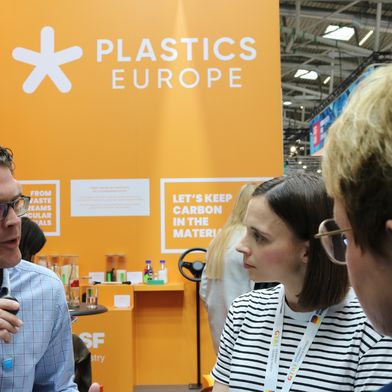
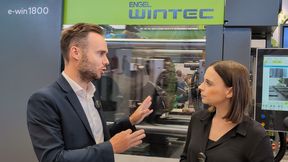
Melanie Ehrhardt (links) und Dr. Aliaksandra Shuliakevich (rechts) im Gespräch auf dem Biopolymer Kongress 2026
(Source: PXN)

Video Interview with Dr. Aliaksandra Shuliakevich

Dr. Aliaksandra Shuliakevich also spoke about the current market situation for biopolymers at the BIOPOLYMER Congress 2026, which took place on June 15 and 16 in Halle (on the Saale). Melanie Ehrhardt, senior online editor, interviewed her after her presentation. You can find a video of the interview on our LinkedIn channel.

Subscribe to the newsletter now

Don't Miss out on Our Best Content

By clicking on „Subscribe to Newsletter“ I agree to the processing and use of my data according to the consent form (please expand for details) and accept the Terms of Use. For more information, please see our Privacy Policy. The consent declaration relates, among other things, to the sending of editorial newsletters by email and to data matching for marketing purposes with selected advertising partners (e.g., LinkedIn, Google, Meta).

Unfold for details of your consent