In Baden-Baden, the automotive industry discussed the future of plastics in light of new EU regulations. While the technology for high-quality recycled materials is already available, experts are warning of massive supply shortages for the key material polypropylene. The industry is now seeking to strike a balance between design, process stability, and recyclability.
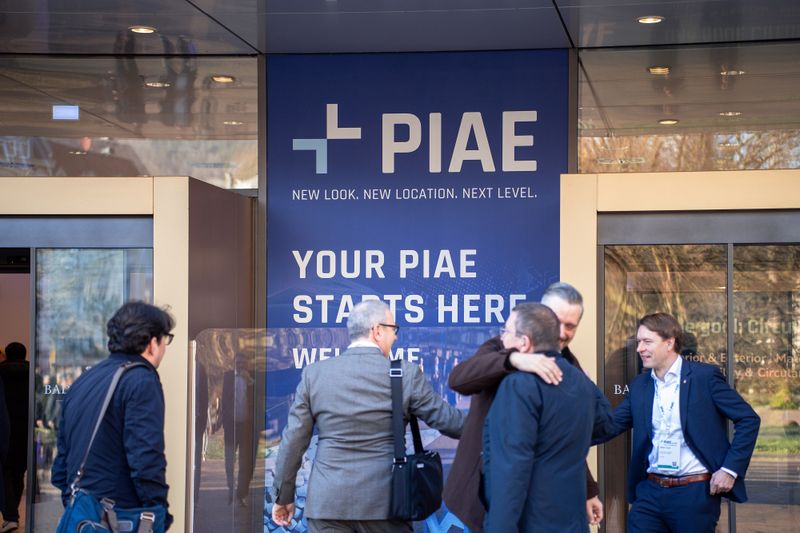
PIAE, the leading conference on plastics in automotive engineering, took place on March 18 and 19, 2026, at its new venue in Baden-Baden.
(Bild: VDI Knowledge Forum)
Tried and true, familiar, and yet completely new in many ways: The leading conference on plastics in automotive engineering, PIAE (Plastics in Automotive Engineering), took place on March 18 and 19, 2026, at its new venue in Baden-Baden with a sharpened focus. Approximately 550 experts from academia and research, as well as from OEMs and suppliers, used the platform to find answers to the new EU End-of-Life Vehicles Regulation, which poses enormous challenges for the industry in terms of material selection and process management.
Mandatory quotas increase investment pressure
The ELVR (End-of-Life Vehicles Regulation), which was finally adopted at the end of February 2026, sets ambitious targets: Six years after it takes effect, plastic components in new models must contain at least 15% recycled material; after ten years, this percentage rises to 25%. Particularly critical for manufacturers: One-fifth of this share must come from car-to-car recycling. “Increasing regulation in the area of end-of-life vehicles is forcing the automotive industry to reevaluate its design and material decisions,” explained Dipl.-Ing. Thomas Drescher, conference director and head of advanced engineering at Volkswagen, during a press conference.
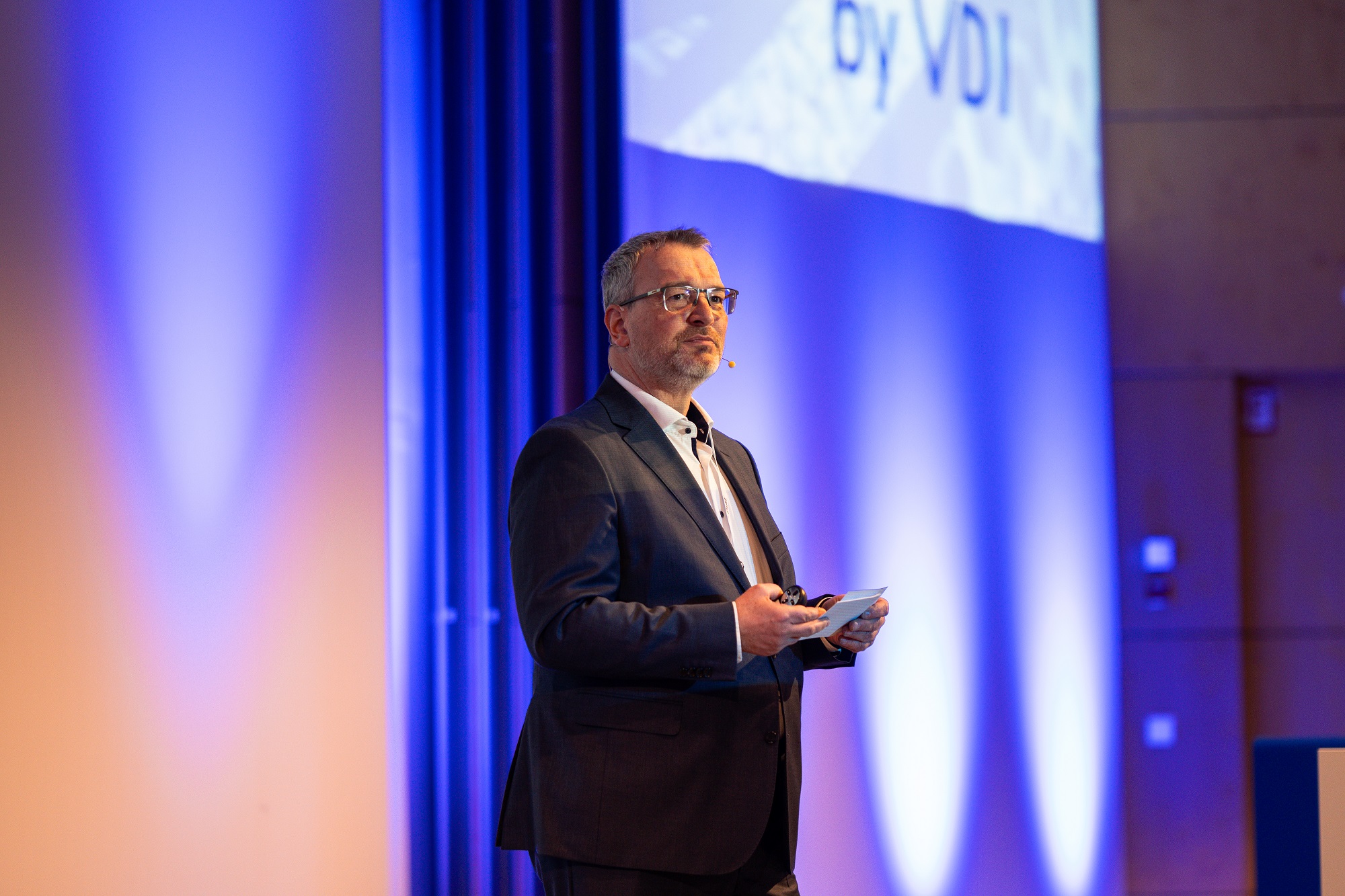
Kickoff in Baden-Baden: Conference Chair Thomas Drescher (Volkswagen AG) welcomed approximately 550 experts to PIAE 2026 on March 18.
(Source: VDI Knowledge Forum)
For manufacturers and processors, this means they will face immense pressure to adapt. A recent BKV study has already warned of a serious supply shortage. The situation could become particularly tight for polypropylene (PP), a key material that accounts for up to 50% of the plastic content in modern vehicles. The automotive industry alone would have to account for about 45% of the total market volume of PP recyclates in order to meet legal requirements.
Securing Sources of Recycled Material
“To effectively harness the full resource potential of the end-of-life automotive sector, there is an urgent need for investment in efficient take-back systems, modern collection and sorting technologies, and the expansion of innovative recycling processes,” emphasized Dr. Aliaksandra Shuliakevich of Plastics Europe Germany.
Securing sources of raw materials is increasingly becoming a matter of strategic survival for automakers and suppliers, as meeting future recycling targets requires setting a course early on. For companies, this means massive pressure to adapt and invest in order to secure access to limited material streams today.Consequently, the industry is increasingly focusing on strategic partnerships across the entire value chain as well as the establishment of its own recycling centers of excellence, such as the center planned by Volkswagen in Zwickau for the automated dismantling of electric vehicles.
Is the Perception of Quality a Limitation of the Circular Economy?
A key topic in Baden-Baden was the discrepancy between the sustainable use of materials and the perceived value among customers. A survey conducted by automotive journalist Alexander Bloch among 3,000 participants revealed a sobering picture: 74% of respondents perceive interior quality today as being worse than in the past, with hard plastics (53%) and high-gloss surfaces (31%) in particular being perceived as “cheap.”
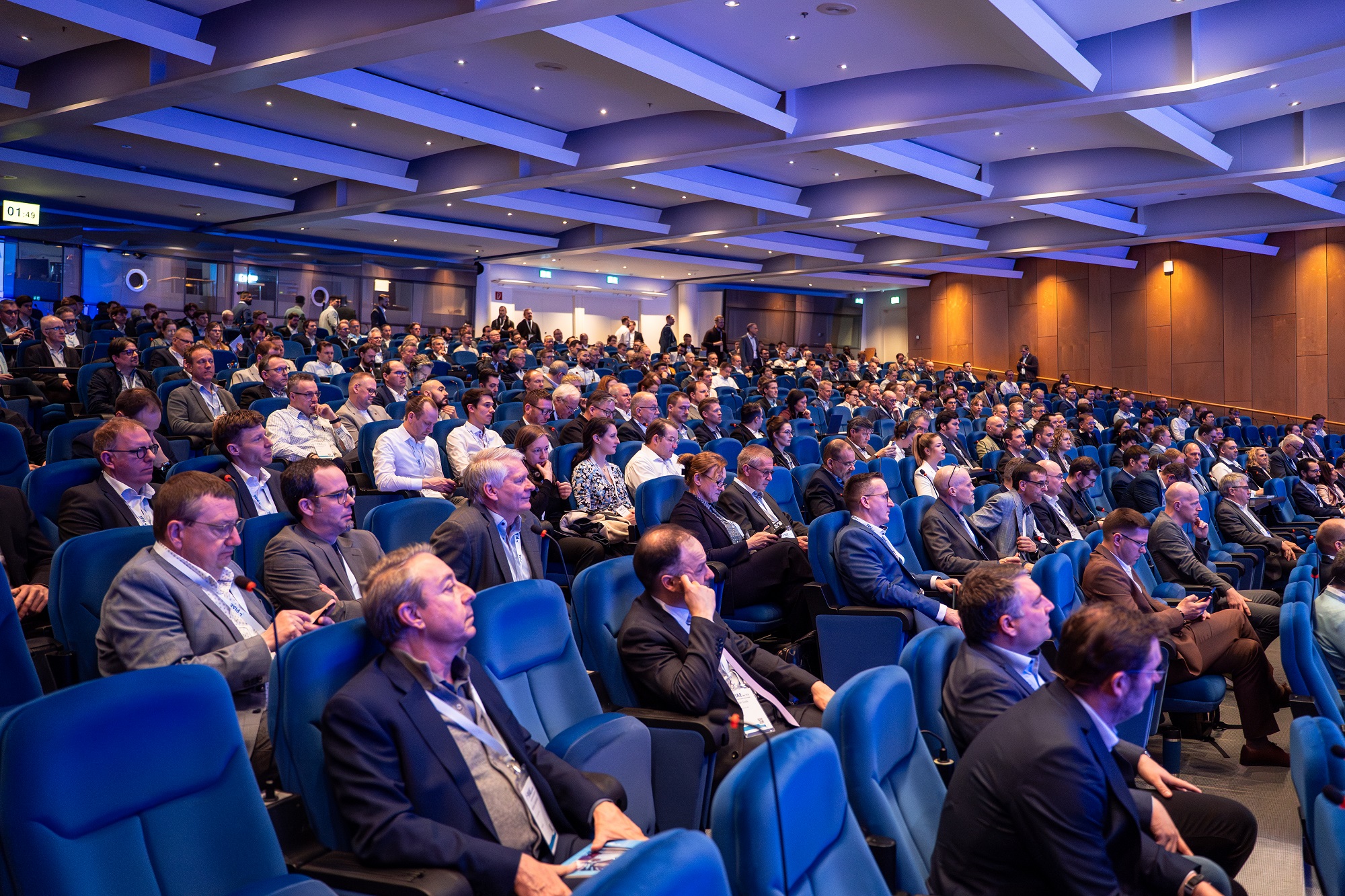
A central gathering place for the plastics community: The packed auditorium underscored the conference’s great importance for fostering dialogue among researchers, OEMs, and suppliers about the future of the circular economy.
(Source: VDI Knowledge Forum)
This is where the concept of “Design for Recycling” comes into play. Thomas Drescher emphasized: “Design for Recycling must not be viewed as a post-production review, but must be integrated into the development process at an early stage.” According to Drescher, design for recycling and a premium appearance are not mutually exclusive, but must be considered together in order to achieve the ELVR goals without any loss of value. Alexander Bloch aptly added: “Plastic doesn’t have to be bad—it just depends on what you make of it.”
PP Recyclates Put to the Test
Material science studies conducted by Borealis demonstrated just how technologically challenging the integration of post-consumer recycled (PCR) materials is. In painted bumper applications made from PP compounds containing 25% PCR and 15% talc, properties such as defect density and impact strength vary significantly depending on the quality of the recycled material.
PCR grades derived from household waste can cause defects in the paint surface, which is why Borealis relies on optimized compound design and specialized cleaning steps. Nevertheless, practical experience shows that high-quality mechanically recycled PP grades such as Borcycle M are already capable of meeting the strict requirements for Class A surfaces and paint adhesion.
Date: 08.12.2025
Naturally, we always handle your personal data responsibly. Any personal data we receive from you is processed in accordance with applicable data protection legislation. For detailed information please see our privacy policy.
Consent to the use of data for promotional purposes
I hereby consent to Vogel Communications Group GmbH & Co. KG, Max-Planck-Str. 7-9, 97082 Würzburg including any affiliated companies according to §§ 15 et seq. AktG (hereafter: Vogel Communications Group) using my e-mail address to send editorial newsletters. A list of all affiliated companies can be found here
Newsletter content may include all products and services of any companies mentioned above, including for example specialist journals and books, events and fairs as well as event-related products and services, print and digital media offers and services such as additional (editorial) newsletters, raffles, lead campaigns, market research both online and offline, specialist webportals and e-learning offers. In case my personal telephone number has also been collected, it may be used for offers of aforementioned products, for services of the companies mentioned above, and market research purposes.
Additionally, my consent also includes the processing of my email address and telephone number for data matching for marketing purposes with select advertising partners such as LinkedIn, Google, and Meta. For this, Vogel Communications Group may transmit said data in hashed form to the advertising partners who then use said data to determine whether I am also a member of the mentioned advertising partner portals. Vogel Communications Group uses this feature for the purposes of re-targeting (up-selling, cross-selling, and customer loyalty), generating so-called look-alike audiences for acquisition of new customers, and as basis for exclusion for on-going advertising campaigns. Further information can be found in section “data matching for marketing purposes”.
In case I access protected data on Internet portals of Vogel Communications Group including any affiliated companies according to §§ 15 et seq. AktG, I need to provide further data in order to register for the access to such content. In return for this free access to editorial content, my data may be used in accordance with this consent for the purposes stated here. This does not apply to data matching for marketing purposes.
Right of revocation
I understand that I can revoke my consent at will. My revocation does not change the lawfulness of data processing that was conducted based on my consent leading up to my revocation. One option to declare my revocation is to use the contact form found at https://contact.vogel.de. In case I no longer wish to receive certain newsletters, I have subscribed to, I can also click on the unsubscribe link included at the end of a newsletter. Further information regarding my right of revocation and the implementation of it as well as the consequences of my revocation can be found in the data protection declaration, section editorial newsletter.
Integrating Value Chains
“The inspiring technical presentations and exhibits at PIAE provide the ideal setting for strengthening and developing networks across the entire value chain, thereby promoting the development of recycling solutions for mass production in the automotive industry,” explained Tobias Epple, M.Eng., Automotive Application Marketing Manager at Borealis.
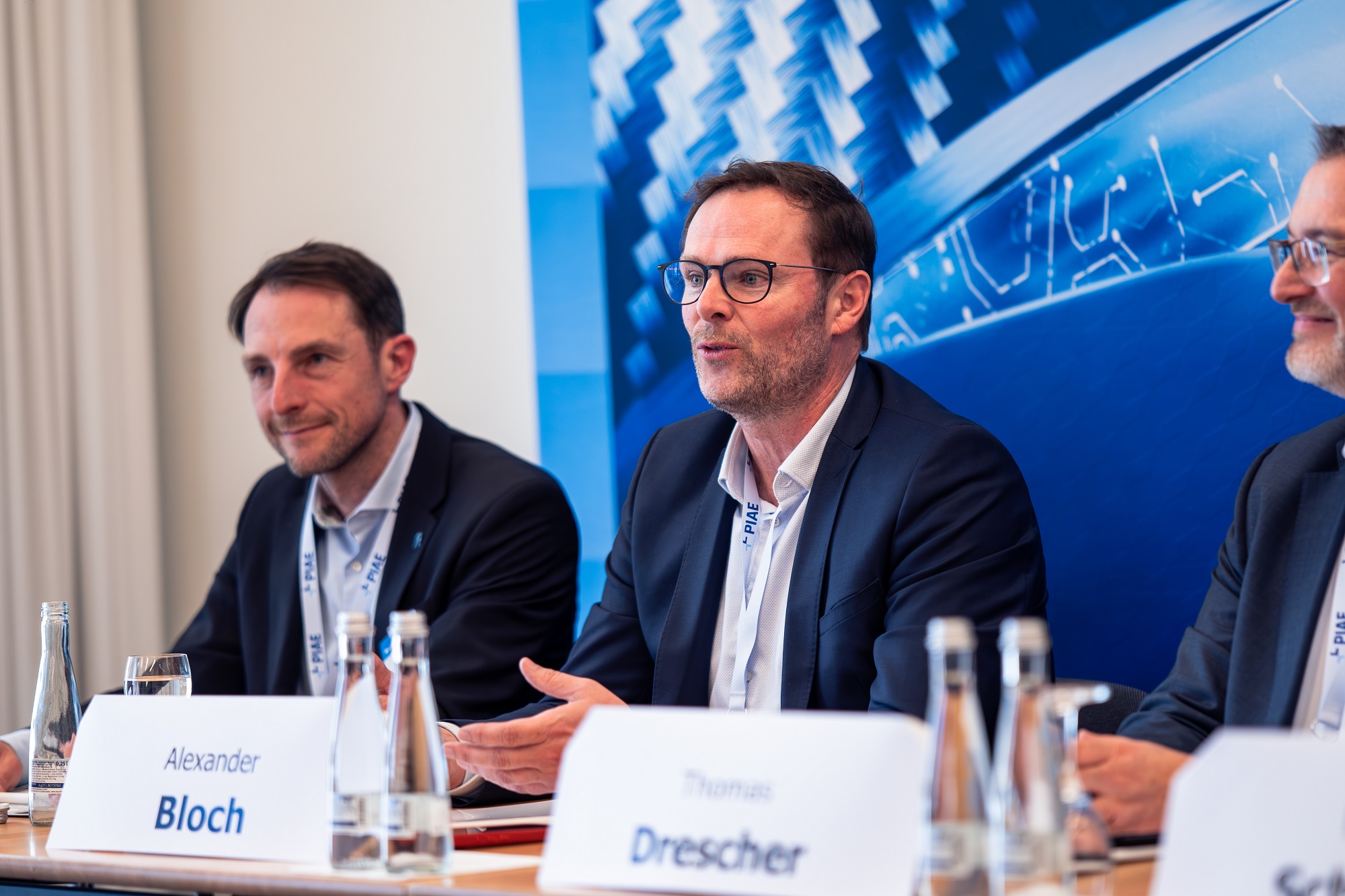
From left: Press conference with Tobias Epple (Borealis), Alexander Bloch (Motor Presse Stuttgart), and conference director Thomas Drescher (VW): The tension between the use of recycled materials and customers’ perception of quality.
(Source: VDI Knowledge Forum)
Epple emphasized that a functioning circular economy—that is, achieving high recycled content rates in new cars—is only possible if all partners along the value chain (raw material manufacturers, suppliers, OEMs, and recyclers) work closely together. Epple highlighted that new plastic solutions are necessary to use PCR recycled materials even in technically and aesthetically demanding applications without compromising perceived quality.
AI and Sensor Technology: Stability Despite Material Variations
Since recycled materials naturally exhibit greater fluctuations in viscosity and flow behavior than virgin materials, digital tools are becoming increasingly important. Dr.-Ing. Frank Thurner of Contech Software & Engineering presented an engineering AI system that identifies robust process windows based on process data. In a case study involving a hybrid interior component, this approach reduced scrap rates from 18% to 2% without having to modify the mold.
AI also offers new approaches to odor characterization, a critical issue for PCR in vehicle interiors. Representatives from Robert Bosch presented an AI-based gas sensor system (“electronic nose”) that achieves a classification accuracy of over 90% in distinguishing between virgin material and rPP. The goal is to replace the previously subjective testing procedure based on the VDA 270 standard with an automated and objective measurement method in order to facilitate the series production use of post-consumer recycled materials (PCR) in vehicle interiors.
In the field of lightweight structures, thermoplastic composites that enable true “closed-loop” recycling are coming into focus. A consortium led by Sabic, Audi, and OP-Mobility demonstrated the successful production of a tailgate made from 100% recycled Stamax PP-LGF (long-glass-fiber-reinforced polypropylene). Through a multi-step process that included pyrolysis, both the polymer and the glass fibers were recovered and reprocessed to the same quality.
Single-material products and separability
At the same time, there is a shift in thinking toward systemic reduction. Dennis Wessels (Volkswagen) warned against a “complexity trap”: “Sustainability doesn’t start with complex tools, but with conscious, simple design decisions.” VW is increasingly focusing on separability and single-material designs.
One example is the mirror triangle in a door panel. Previously, acoustic insulation foam was glued into place. Thanks to a geometric modification, this foam is now clamped in place. As a result, the component consists of a single material, can be separated without tools, and retains its acoustic function.
Škoda’s approach is to manufacture components from a single family of materials. The strategy aims to maximize mechanical recyclability at the end of the vehicle’s life and enable high-quality closed-loop material cycles. This strategy is already being applied to interior components, trunk solutions, and exterior parts. To achieve this, Škoda uses advanced polymer compounding and the targeted use of additives to ensure the required performance (such as stiffness and impact resistance) even without multi-material structures.
PU Coatings: Innovation or Hazardous Waste?
The role of PU coatings has been the subject of controversy. While processes such as PU in-mold coating (e.g., Color Form) shorten production chains and enable CO2 reductions of up to 60% compared to conventional painting, the recycling problem associated with thermosetting PU systems remains unresolved. Volkswagen experts warned against producing a new generation of hazardous waste that is difficult to recycle if no functioning material cycles—such as through glycolysis—are established.
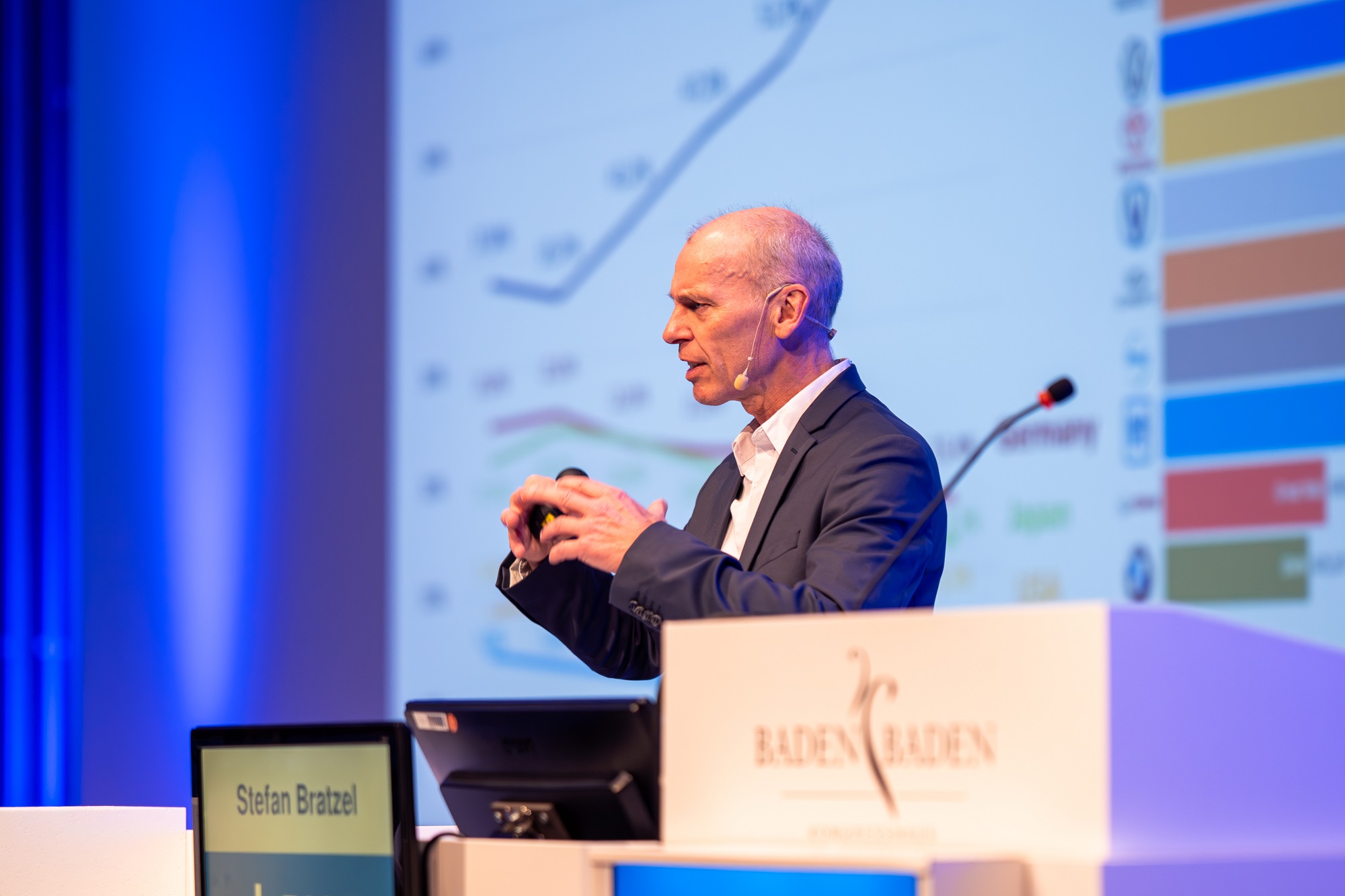
In his keynote address, “Lost in Transformation,” Prof. Dr. Stefan Bratzel (Director of the Center of Automotive Management) warned that it is not the supposedly strongest who will survive, but rather those players who are most adaptable in responding to rapid change.
(Source: VDI Knowledge Forum)
In his remarks at the press conference, Tobias Epple summed up: “The circular economy is only possible through close collaboration among all process partners involved in the life cycle.” This insight was also reflected in the keynote address by Prof. Dr. Stefan Bratzel (Center of Automotive Management). He called on the industry to adopt a “culture of resilience” and emphasized that “in this transformation process, it is not the supposedly strongest who will survive, but those who are most adaptable in responding to rapid change.”
Conclusion for Fabricators
The plastics industry is facing a major transformation. PIAE 2026 has made it clear that the technical feasibility of high-quality recycled materials exists in many areas—from stabilized AI-driven process control to fiber recycling in structural components.
Nevertheless, the availability of high-quality PCR, particularly PP, remains the industry’s bottleneck. Processors must adapt to fluctuating material qualities and invest early in simulation and data-driven optimization in order to meet upcoming regulatory quotas in a cost-effective manner.
The next PIAE will take place again in Baden-Baden on March 17 and 18, 2027. It remains to be seen to what extent the industry will have closed the gap between regulatory requirements and the reality of industrial recycling by then.



:quality(80)/p7i.vogel.de/wcms/8d/fd/8dfdc63153cce5816e7a371257b6bdff/nexofoam-epla-schaumv1.png "From compact EPLA granules to fully foamed insulation boards: This bio-based particle foam material can be processed as a drop-in solution on existing EPS molding machines. (Bild: Nexofoam)")
:quality(80)/p7i.vogel.de/wcms/91/39/91397ac53b2ca4d65d65f563ebdc12ea/nexofoam-epla-schaumv1.png "From compact EPLA granules to fully foamed insulation boards: This bio-based particle foam material can be processed as a drop-in solution on existing EPS molding machines. (Bild: Nexofoam)")
:quality(80)/p7i.vogel.de/wcms/2b/37/2b37601930b643d709629fa8005aade0/nexofoam-epla-schaumv1.png "From compact EPLA granules to finished foam insulation boards: This bio-based particle foam material can be processed as a drop-in solution on existing EPS molding machines. (Bild: Nexofoam)")
:quality(80)/p7i.vogel.de/wcms/97/0c/970c52fd142e10a3c4566168037ca637/materialloesungen-pressefoto-1890x1329v1.jpeg "rPET pellets: At Fraunhofer IAP, terephthalic acid is recovered from PET to produce new polymers for bottles, fibers, and films. The yellowish to grayish hues are due to the recycled raw material. Through the targeted addition of additives, the color can be adjusted to produce even colorless material. (Bild: Fraunhofer IAP / Romina Schönefeld)")
:quality(80)/p7i.vogel.de/wcms/ce/ee/ceeeef086bfb174ebdda31c0dfccaf9a/2-weiss-blick-in-produktion-dji-0095-kopiev1.jpeg "A look inside the injection molding shop at Weiss Kunststoffverarbeitung in Illertissen, Bavaria. (Bild: White)")
:quality(80)/p7i.vogel.de/wcms/33/08/3308710c85715e917ec1baf9767fe4a7/2026-ewikon-wago-hei-kanalv1.png "Ewikon's 48-cavity hot runner as a production mold. (Bild: Ewikon)")
:quality(80)/p7i.vogel.de/wcms/a2/a5/a2a516dc69b4c8f8ad6f475ae6746a08/sxkh-bei-hpf-gesamtwerkzeugv1.png "The HMG 70XS1510 trimming press from the Chinese manufacturer SXKH combines all the functions required by toolmakers at HPF in a very compact design. The deciding factors in the purchase were the purchase price—and confidence in the quality of established international key components. (Bild: Pergler Media)")
:quality(80)/p7i.vogel.de/wcms/19/5f/195fdb6e09629994f1d6e3cf94dac8d8/bild-1-exam510-ultem9085v1.jpeg "Granular printing (FGF) makes it cost-effective to produce large-format functional parts from high-performance polymers such as Ultem 9085. (Bild: NEW AIM3D)")
:quality(80)/p7i.vogel.de/wcms/d5/c4/d5c46d40e1ae062370d058e2c006c376/dimitrisvetsikas1969-belgium-3595351v1.jpeg "European Plastics Industry Calls for Immediate Action to Address the Industry Crisis (Bild: dimitrisvetsikas1969)")
:quality(80)/p7i.vogel.de/wcms/e6/63/e663f0e1dd8818fc501c6fb5c5d33712/19-5689-circular-economy-of-resourcesv1.jpeg "Plastic waste from the average household is very heterogeneous. Only the right mix of technologies can turn all types of plastic waste into a new source of raw materials. (Bild: BASF)")
:quality(80)/p7i.vogel.de/wcms/31/5b/315b714f653484179232fbc4d6d79543/sesotec-img-andreas-hanus-25-20-281-29v1.jpeg "Andreas Hanus, Head of AI Development at Sesotec: “AI will not replace traditional sorting technology, but will intelligently enhance it.” (Bild: Sesotec)")
:quality(80)/p7i.vogel.de/wcms/74/5f/745f512239689819275af39a82f59860/b-brenkenv1.jpeg "Dr. Benedikt Brenken, Director of R-Cycle: \"The digital product passport will fundamentally change plastic recycling.\" (Bild: R-Cycle)")
:quality(80)/p7i.vogel.de/wcms/40/6d/406d05534ab4d28194bd29699e023e67/2026-09-09-uni-kiel-aufmacherv1.jpeg "These self-polarizing polymer coatings could be used in a wide variety of electronic components in the future. (Bild: University of Kiel/C. Anders)")
:quality(80)/p7i.vogel.de/wcms/5d/46/5d46e098a7cfaebdd9643df47153c5af/aufmacherv1.png "The PPWR imposes new requirements on packaging: What impact does this have on mechanical engineering? (Bild: KI-generiert / Dall-E)")
:quality(80)/p7i.vogel.de/wcms/70/13/7013fe202fb4790708f62f69cd0c83d4/aufmacher-st-c3-a4rkeschaumfoliev1.png "Using thermoplastic starch as a base, researchers at the IKV successfully produced a flexible foam film using physical blowing agents. (Bild: IKV)")
:quality(80)/p7i.vogel.de/wcms/d1/2b/d12b536ba3b382d0d138e342ac1038e6/03--20pm-imm-mgsv1.jpeg "MGS Richfield Site (Bild: MGS)")
:quality(80)/p7i.vogel.de/wcms/90/9c/909cf6eb1b91a9a84ff535033ea9b048/honeycombv1.jpeg "The composite material made of epoxy and glass fibers not only protects against flames but is also fully recyclable. (Bild: Empa)")
:quality(80)/p7i.vogel.de/wcms/6a/d5/6ad5980b0c965409c71582fc59145e13/1920-covestro-new-covestro-headquartersv1.jpeg "Covestro's corporate headquarters in Leverkusen (Bild: Covestro)")
:quality(80)/p7i.vogel.de/wcms/db/74/db741079d26ad9e7a69278fde45e79c7/aufmacherv1.png "(Bild: KI-generiert / Dall-E)")
:quality(80)/p7i.vogel.de/wcms/b3/65/b3654df434f4d31e1fda3c79bc7bb4b0/nakura-20kunstrasenteppich-20ohne-20verf-c3-bcllungv1.jpeg "Tecnaro has developed synthetic turf fibers using a specially formulated Arboblend blend that offers high resistance to heat, UV rays, and weathering, and, because it is niobium-based, sequesters CO₂ over the long term. (Bild: Tecnaro)")
:quality(80)/p7i.vogel.de/wcms/74/00/740040b233d9060f736781fe46978e15/bild1-beabeitetv1.jpeg "Through a comparison process, the actual data is compared in real time with the ideal digital parameters during production. This means that deviations become immediately apparent. The AI essentially acts as a “virtual machine setter.” (Bild: plus10 GmbH)")
:quality(80)/p7i.vogel.de/wcms/46/b1/46b1d912deadc250fc2f1ae14c6db626/variousphotography-mercedes-benz-2498295-1280v1.jpeg "Plastics are used in automobiles in various applications, including the center console. (Bild: Various Photography)")