Elastomers and silicones are key materials in medical technology. This article explains their distinctive properties, their applications, and the regulatory hurdles that must be overcome.
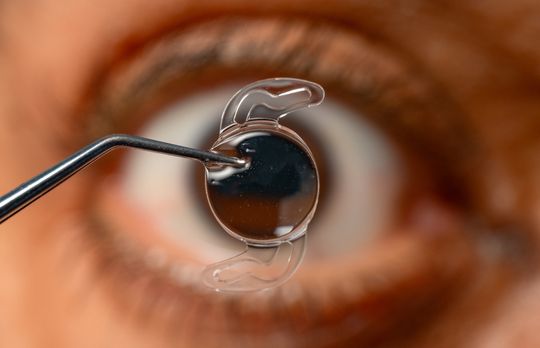
Silicones have a wide range of applications in the medical field. In implants, for example, they are used for seals, membranes, and catheters.
Elastomers—and silicones in particular—have established themselves as an indispensable class of materials in modern medical technology. Their combination of mechanical flexibility, chemical stability, and high biocompatibility makes them ideal for applications in which materials come into permanent or temporary contact with the human body. The term “medical-grade elastomers” increasingly refers to a specialized group of materials with clearly defined regulatory and functional requirements.
Key growth drivers include demographic change—specifically, an aging population—the rising demand for minimally invasive therapies, and the increasing miniaturization of medical systems. Added to this are new therapeutic approaches, such as personalized medicine or continuous patient monitoring, which require flexible, durable, and biocompatible materials. Silicones in the medical field also benefit from their long history of clinical use and high level of acceptance by regulatory authorities.
Material Properties: Why Elastomers Are a Top Choice in Medical Technology
The key question is: Why are elastomers and silicones used so frequently in medical technology? The answer lies in their unique combination of physical and chemical properties.
Why are elastomers and silicones used so frequently in medical technology? A key factor is the biocompatibility of elastomers. Medical-grade silicones generally exhibit very low toxicity and high compatibility with biological tissue.
A key factor is the biocompatibility of elastomers. Medical-grade silicones generally exhibit very low toxicity and high compatibility with biological tissue. This allows them to be used in both long-term implants and short-term components. At the same time, silicones are inert toward many bodily fluids and exhibit virtually no interactions with pharmaceutical active ingredients.
Another advantage is that they can be sterilized. Silicones can be treated using standard methods such as steam sterilization, ethylene oxide, or gamma radiation without significantly compromising their mechanical properties. This is particularly important for reusable medical devices.
Chemical and thermal resistance also play a crucial role. Silicones retain their properties over a wide temperature range and are resistant to numerous chemicals. Combined with their flexibility and permanent elasticity, this enables their use in applications subject to dynamic loads, such as in pump systems or moving seals.
Werkstoffgruppe
Typische Materialien
Eigenschaften
Typische Anwendungen
Besonderheiten
Silikone (VMQ, LSR, HCR)
Flüssigsilikon (LSR), Hochkonsistenzsilikon (HCR)
Sehr hohe Biokompatibilität, temperaturbeständig, sterilisierbar, flexibel
Standardwerkstoff in der Medizintechnik, sehr gut für Reinraumprozesse geeignet
Thermoplastische Elastomere (TPE)
TPE-S, TPE-U (TPU), TPE-O
Gute Flexibilität, schmelzverarbeitbar, teilweise biokompatibel
Schläuche, Griffe, Gehäusekomponenten, Wearables
Kosteneffizient, gut für Mehrkomponenten-Spritzguss
Fluorelastomere (FKM, FFKM)
FKM (z. B. Viton), Perfluorelastomere
Sehr hohe chemische Beständigkeit, temperaturstabil
Dichtungen in aggressiven Medien, Labortechnik
Hochpreisig, Spezialanwendungen
EPDM (Ethylen-Propylen-Dien-Kautschuk)
Medizinisches EPDM
Gute Beständigkeit gegen Wasser, Dampf und Sterilisation
Dichtungen, Schläuche, Stopfen
Eingeschränkte Beständigkeit gegenüber Ölen
Naturkautschuk (NR, Latex)
Latex
Sehr elastisch, gute mechanische Eigenschaften
Handschuhe, flexible Komponenten
Allergiepotenzial (Latex), rückläufige Nutzung
Nitrilkautschuk (NBR, HNBR)
NBR, hydrierter NBR
Gute Öl- und Fettbeständigkeit
Dichtungen, Schläuche
Eingeschränkte Biokompatibilität je nach Anwendung
Typical Applications: From Implants to Wearables
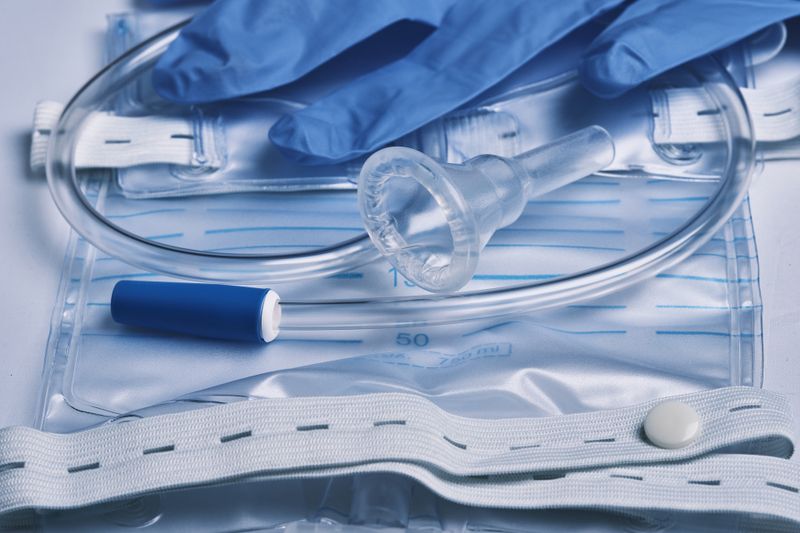
Silicones have a wide range of applications in the medical field. In implants, for example, they are used for seals, membranes, or catheters. Here, long-term stability, biocompatibility, and mechanical strength are of particular importance. Silicone catheters are characterized by their soft surface and low friction, which reduces the risk of tissue damage.
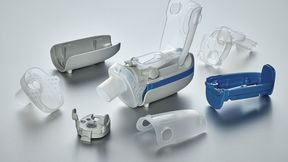
Elastomers are also indispensable in medical devices and diagnostics. They are used in valves, pumps, and as flexible connecting elements. In microfluidic systems, they enable precise control of fluids while offering high chemical resistance.
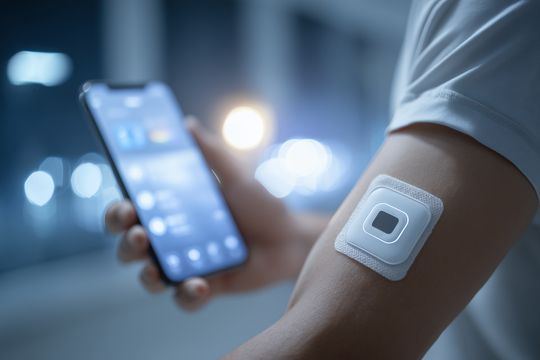
Wearables and patient-oriented systems represent a growing area of application. In these applications, silicones are used as a skin-friendly interface between technology and the human body. They offer comfort, flexibility, and high resistance to sweat and environmental factors.
Processing Technologies: Precision and Purity Are Key
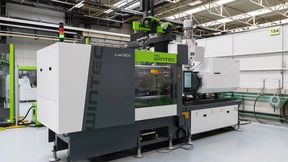
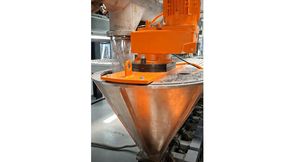
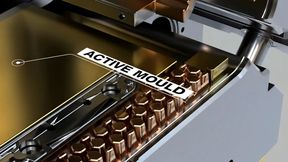
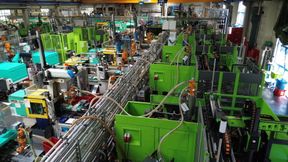
The processing of silicones for medical applications requires the highest precision and controlled conditions. A key technology is LSR injection molding. In this process, liquid silicone rubber (LSR) is processed in a closed system, which enables high reproducibility and minimizes the risk of contamination.
LSR injection molding is particularly well-suited for complex geometries and thin-walled parts. Thanks to short cycle times and automated processes, it is also economically scalable. When combined with multi-component processes, silicones can be bonded directly to thermoplastics, opening up new design possibilities.
Wearables and patient-oriented systems represent a growing area of application. In these applications, silicones are used as a skin-compatible interface between technology and the human body.
Another key factor is cleanroom production. Many medical applications require manufacturing under controlled environmental conditions to prevent particle and microbial contamination. This places high demands on machinery, tools, and process control.
Additive manufacturing processes are also gaining importance, particularly for prototypes and customized components. However, challenges remain in this area regarding material properties and regulatory approval.
Date: 08.12.2025
Naturally, we always handle your personal data responsibly. Any personal data we receive from you is processed in accordance with applicable data protection legislation. For detailed information please see our privacy policy.
Consent to the use of data for promotional purposes
I hereby consent to Vogel Communications Group GmbH & Co. KG, Max-Planck-Str. 7-9, 97082 Würzburg including any affiliated companies according to §§ 15 et seq. AktG (hereafter: Vogel Communications Group) using my e-mail address to send editorial newsletters. A list of all affiliated companies can be found here
Newsletter content may include all products and services of any companies mentioned above, including for example specialist journals and books, events and fairs as well as event-related products and services, print and digital media offers and services such as additional (editorial) newsletters, raffles, lead campaigns, market research both online and offline, specialist webportals and e-learning offers. In case my personal telephone number has also been collected, it may be used for offers of aforementioned products, for services of the companies mentioned above, and market research purposes.
Additionally, my consent also includes the processing of my email address and telephone number for data matching for marketing purposes with select advertising partners such as LinkedIn, Google, and Meta. For this, Vogel Communications Group may transmit said data in hashed form to the advertising partners who then use said data to determine whether I am also a member of the mentioned advertising partner portals. Vogel Communications Group uses this feature for the purposes of re-targeting (up-selling, cross-selling, and customer loyalty), generating so-called look-alike audiences for acquisition of new customers, and as basis for exclusion for on-going advertising campaigns. Further information can be found in section “data matching for marketing purposes”.
In case I access protected data on Internet portals of Vogel Communications Group including any affiliated companies according to §§ 15 et seq. AktG, I need to provide further data in order to register for the access to such content. In return for this free access to editorial content, my data may be used in accordance with this consent for the purposes stated here. This does not apply to data matching for marketing purposes.
Right of revocation
I understand that I can revoke my consent at will. My revocation does not change the lawfulness of data processing that was conducted based on my consent leading up to my revocation. One option to declare my revocation is to use the contact form found at https://contact.vogel.de. In case I no longer wish to receive certain newsletters, I have subscribed to, I can also click on the unsubscribe link included at the end of a newsletter. Further information regarding my right of revocation and the implementation of it as well as the consequences of my revocation can be found in the data protection declaration, section editorial newsletter.
Regulatory Requirements: MDR and Approval Processes
Regulatory requirements in the medical device industry are stringent and complex. The European Medical Device Regulation (MDR) sets comprehensive requirements for materials, processes, and documentation. For elastomers, this means that their biocompatibility, chemical composition, and long-term stability must be demonstrated in detail.
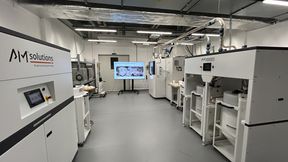
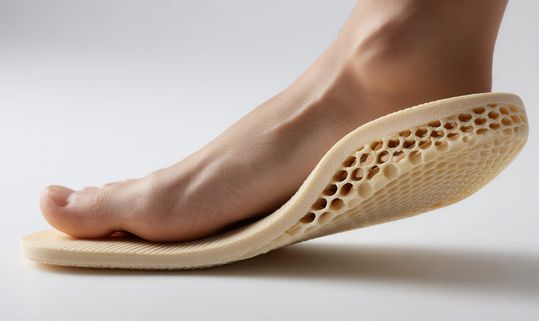
Personalized medicine is becoming increasingly important. Additive manufacturing and flexible materials make patient-specific solutions possible. Here is an example of a 3D-printed orthopedic silicone insole.
Approval processes involve extensive testing, including biological tests in accordance with ISO 10993, as well as mechanical and chemical analyses. In addition, complete traceability of the materials is required. This applies to both the raw material batch and the individual processing steps.
A key issue is documentation. Manufacturers must demonstrate that their products are safe and effective throughout their entire life cycle. This requires close collaboration between material suppliers, processors, and medical device companies.
Challenges: Approval, Costs, and Sustainability
Despite their advantages, elastomers and silicones face several challenges. Material approval is time-consuming and costly, especially for new formulations. Changes to existing materials can result in extensive re-qualification processes.
Documentation is a key issue in the medical technology sector. Manufacturers must demonstrate that their products are safe and effective throughout their entire life cycle. This requires close collaboration between material suppliers, processors, and medical technology companies.
Cost is also a factor. High-purity medical-grade silicones are significantly more expensive than standard materials. At the same time, documentation and quality assurance requirements are increasing, which drives up production costs.
Another issue is sustainability. While silicones are durable, they are only partially recyclable. In medical technology, hygiene requirements also make reuse difficult. There is a need here for new approaches to the circular economy and material-efficient designs.
Case Study: LSR Components in Infusion Technology
A typical example of the use of LSR in medical technology is the manufacture of sealing membranes for infusion systems. These components must remain leak-tight over millions of cycles while also being flexible enough to compensate for mechanical stresses.
LSR injection molding allows such components to be manufactured with high precision and consistent quality. The combination of material properties and process stability ensures reliable performance in everyday clinical use. At the same time, the material meets the requirements for biocompatibility and sterilizability.
Trends and Future Outlook
The development of elastomers for medical technology is increasingly moving toward functional integration. Materials no longer perform only mechanical tasks but also incorporate additional functions, such as sensory properties or electrical conductivity.
Smart materials and the combination of silicones with electronics are opening up new possibilities for wearables and implantable systems. At the same time, personalized medicine is gaining importance. Additive manufacturing and flexible materials enable patient-specific solutions.
In the long term, the challenge will be to reconcile technological innovations with regulatory requirements and economic scalability. Elastomers and silicones will play a key role in this, as they form the interface between technology and the human body.